A wide, five-petaled flower in pink or red with a long stamen sticking past the petals, the hibiscus emoji is styled after Hawaii's native varieties. The same look grows across the Pacific more broadly, and vacation photos and lei-and-luau posts lean on it for that tropical, island feel. It's also a compliment for someone or something called striking, in full bloom.
What 🌺 means
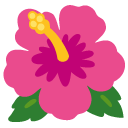
A full-bloomed hibiscus with deep pink wide petals and clustered yellowish stamens at the center. The lower half of the flower has two green leaves one on each side, beneath the petals.
The 🌺 Hibiscus emoji signifies youth, beauty, and femininity. Since this flower grows in tropical and warm climates, it can also suggest a summery vibe, happiness, and warmth. It also has a sexual connotation to it.
How and when to use it
- Use 🌺 while sharing posts that resonate with the emotion of summer, warmth, and happiness. For instance, if you're posting a picture of a beautiful summer day, you can use this emoji in the caption.
- Since the yellow hibiscus is the Hawaiian state flower, 🌺 is closely related to Hawaii, outdoor adventure and vacay mood. So, you can use this emoji in those contexts as well. Like, "Off for a much-need vacation!!! #hawaii 🌺". You can of course, back up the caption with other suitable emojis.
- If you love hibiscuses or you just find the 🌺 emoji really pretty, or you love the Hawaiian vibe it carries, you can use it in your social media profile name.
- If your caption has the words 'summer', 'flower', 'petals', 'pink', etc, feel free to quote the 🌺 emoji along.
- Now, the dirty side of 🌺 . It refers to the female sex organ and is quite frequently used while sexting and sharing other sexually intimate messages. While using sex-related emojis ensure that you're not throwing these emojis around like confetti, because not everyone will sparkle with joy, and thank you for it 🙂.
Other Names
- 🌺 Pink Flower
- 🌺 Rose Mallow
- 🌺 Hawaiian Flower (yellow, but still works)
- 🌺 Chinese Hibiscus
- 🌺 China Rose
- 🌺 Hawaiian Hibiscus
- 🌺 Shoeblackplant
🌺 in real conversations
What does 🌺 mean when someone posts it on vacation?
Tropical, specifically — 🌺 covers Hawaii, Polynesia, and beach trips generally, standing in for palm trees and ocean air the way a snowflake stands in for winter. Expect it constantly on luau invites, resort posts, and 'wish you were here' captions from anywhere warm enough to actually grow one.
Does which ear a hibiscus goes behind actually mean something?
In Hawaiian tradition, yes — worn behind the left ear it signals the wearer is taken, behind the right ear it signals single, a small, wordless way of announcing relationship status at a luau or festival. It's not a strict rule everyone follows today, but it's real enough that locals still recognize the code. 🌺 nods to that custom even in a text.
Is 🌺 used for anything besides Hawaii and beach trips?
It's the state flower of Hawaii, so that association dominates, but it also just reads as 'tropical' more broadly — leis, resort spas, anywhere the vibe is warm and unhurried. Compare it to 🌴, which leans more toward the palm-tree skyline itself; 🌺 is the flower version of the same escape-somewhere-warm feeling.
The lowdown
- Category
- Animals & Nature › plant-flower
- Codepoints
U+1F33A- Emoji version
- Emoji 0.6
- Shortcodes
:hibiscus:- Keywords
- flower, hibiscus, plant
How it looks across platforms
Seeing a blank box instead of the emoji somewhere? Here's why that happens. Curious why the designs above don't match to begin with? Here's why that happens too.



⚡ Quick round
Which joined the keyboard first — 🌺 Hibiscus or 🦫 Beaver?
Runs with a crowd
🌺 keeps company in durga puja emojis and flower emojis and ganesh chaturthi emojis and navratri & garba emojis and onam emojis and summer emojis — tap-to-copy sets for when one emoji isn't enough.