Google Rebuilt All 3,977 Android Emoji in 3D — Here's What Actually Changed
Google's new Noto 3D redesign turns every single Android emoji into a real 3D model, and it landed on World Emoji Day with a genuinely strange design question behind it: what does the back of a smiley face look like? Here's what's different, and when it actually shows up on your phone.
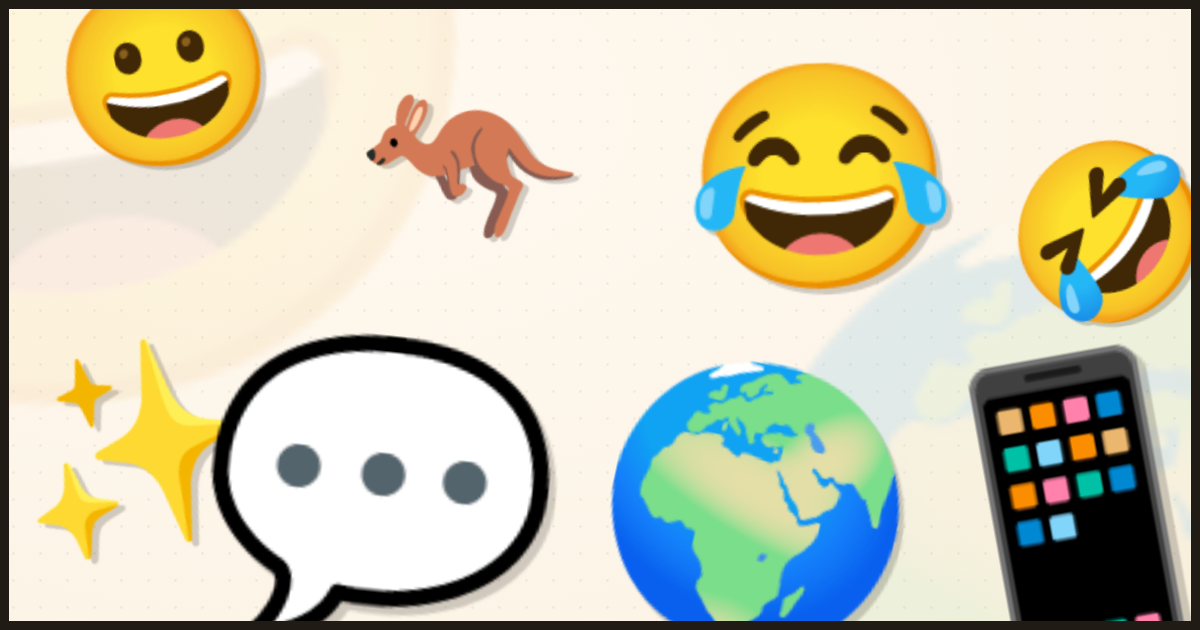
Every single emoji on Android just got rebuilt from the ground up. Not a font tweak, not a color refresh — Google took all 3,977 emoji and remade each one as an actual 3D model, then unveiled the whole thing on World Emoji Day. It's called Noto 3D, and it's the first full visual overhaul Android emoji have had in years.
The reveal was quiet for something this big — a couple of blog posts, a preview back at The Android Show in May, and Jennifer Daniel, Google's Creative Director of Emoji, doing most of the talking. Her framing is the whole ballgame: emoji, she says, "need a pulse and a soul — not the cold precision of industrial CAD models." So this isn't Google chasing photorealism. It's expression with a bit of depth added, and that distinction ends up mattering more than it sounds.
The kangaroo problem
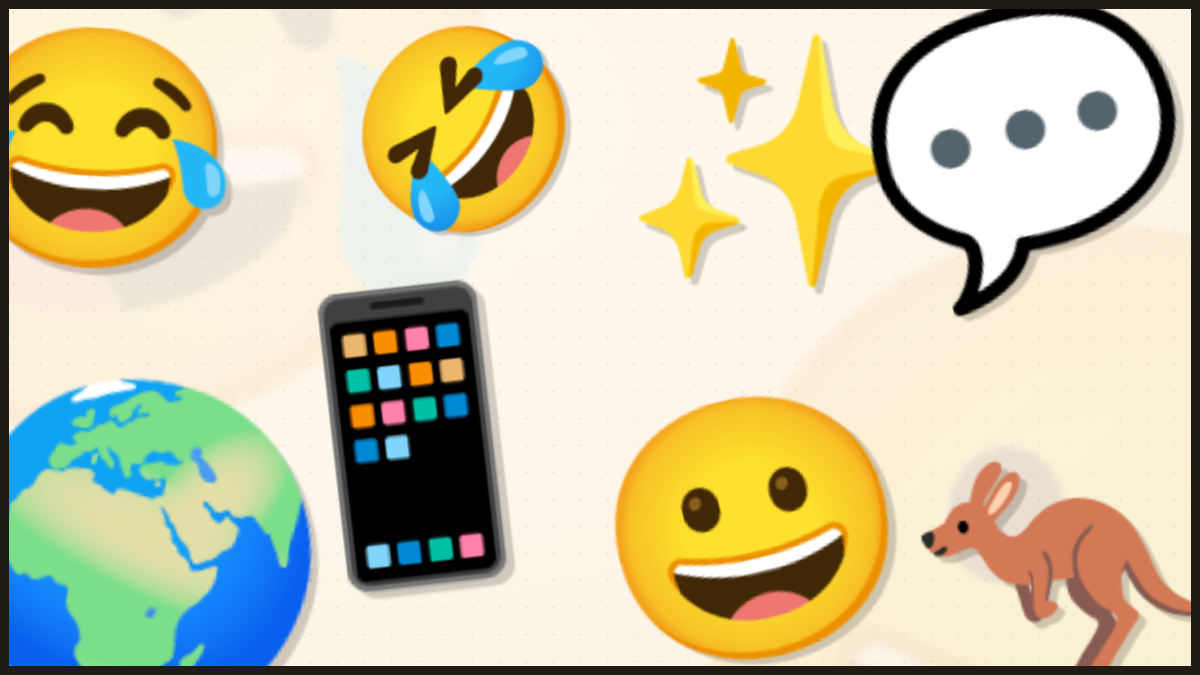
The best detail in the whole rollout is the kangaroo. Turns out real kangaroos make lousy reference photos — their proportions are stranger than you'd expect, and a strictly accurate 3D model just reads as off. So the team leaned into exaggeration instead: "We don't need anatomical perfection. With the power of illustration, we can capture the true, playful vibe of a kangaroo." 🦘 That's basically the design brief for the entire project, summed up in one marsupial — dimension in service of personality, not a scan of the real animal.
Going 3D also raised questions nobody had to answer when emoji were flat little PNGs. What does the back of a smiley face look like? A concave mask? A solid bouncy ball? A flat sheet of paper stood on its edge? None of those are wrong, exactly, which is kind of the point — 2D emoji never had a back, and now every last one of them does, whether the screen ever shows it to you or not.
Data project, not a vibes project
Google ran large-scale studies before touching the geometry, and they came back with three findings they're calling universal: people consistently prefer full-body animals to floating heads, adding props to an emoji actively hurts how well people read it, and tiny details — like which way a winking face is facing — can flip comprehension entirely. None of that is obvious until someone actually tests it.
Real usage data was pushing the redesign too, not just intuition. 😂 "face with tears of joy" has been sliding for a while, and 🤣 "rolling on the floor laughing" overtook it as the most-used laughing emoji by 2025. When the thing you're redesigning is already shifting under your feet, that's a decent argument for studying it instead of guessing.
An AI contrast checker — and the models are open source
One genuinely handy bit of tech buried in the announcement: an AI-powered contrast tool that scans every emoji pixel by pixel and flags where contrast drops too low, especially for dark mode and darker skin-tone variants. It's the kind of unglamorous accessibility work that never makes a highlight reel but pays off every time someone squints at a message on their phone at night.
Google is also releasing the raw 3D models as open .OBJ files, free for anyone to pull apart, remix, or stretch into whatever they want — memes, indie apps, VR builds, whatever people decide to do with a kangaroo mesh. That's a bigger move than just shipping fresh artwork; it hands the format over to whoever wants to mess with it.
When it actually shows up
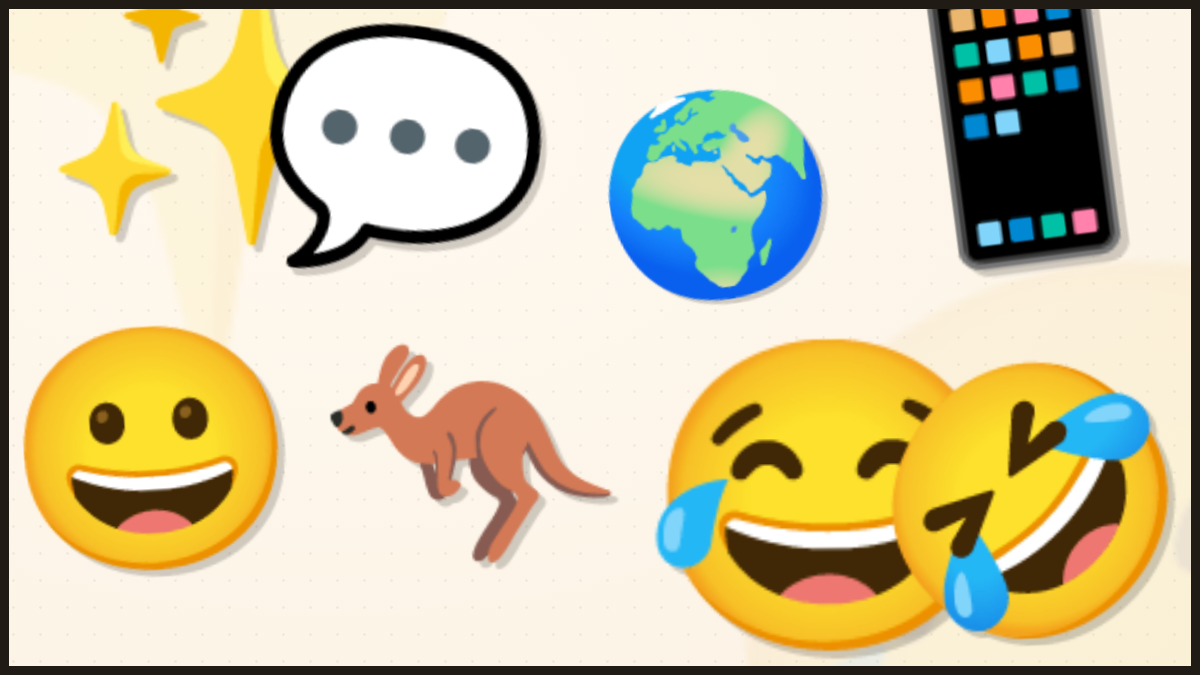
Worth being precise here: this is not on your phone right now, and it wasn't part of Android 17. Noto 3D lands on Pixel phones first, later in 2026, before it spreads to the rest of Google's products. If your Android emoji still look flat, that's expected — nothing's broken.
Reaction so far is genuinely split, none of the usual reflexive Google-can-do-no-wrong or Google-ruins-everything noise. A 9to5Google reader poll on the redesign came back close — plenty of people love the added depth, plenty more miss the clean, simple flat look Android has had forever. Both camps have a point, and the real test is seeing it on an actual device rather than in a blog post. This page will get an update once Pixel users start spotting it in the wild. In the meantime, for everything landing across every platform this year regardless of style, the Emoji 18.0 rundown has the full list, and the World Emoji Day page covers the rest of what dropped on the day this was announced.